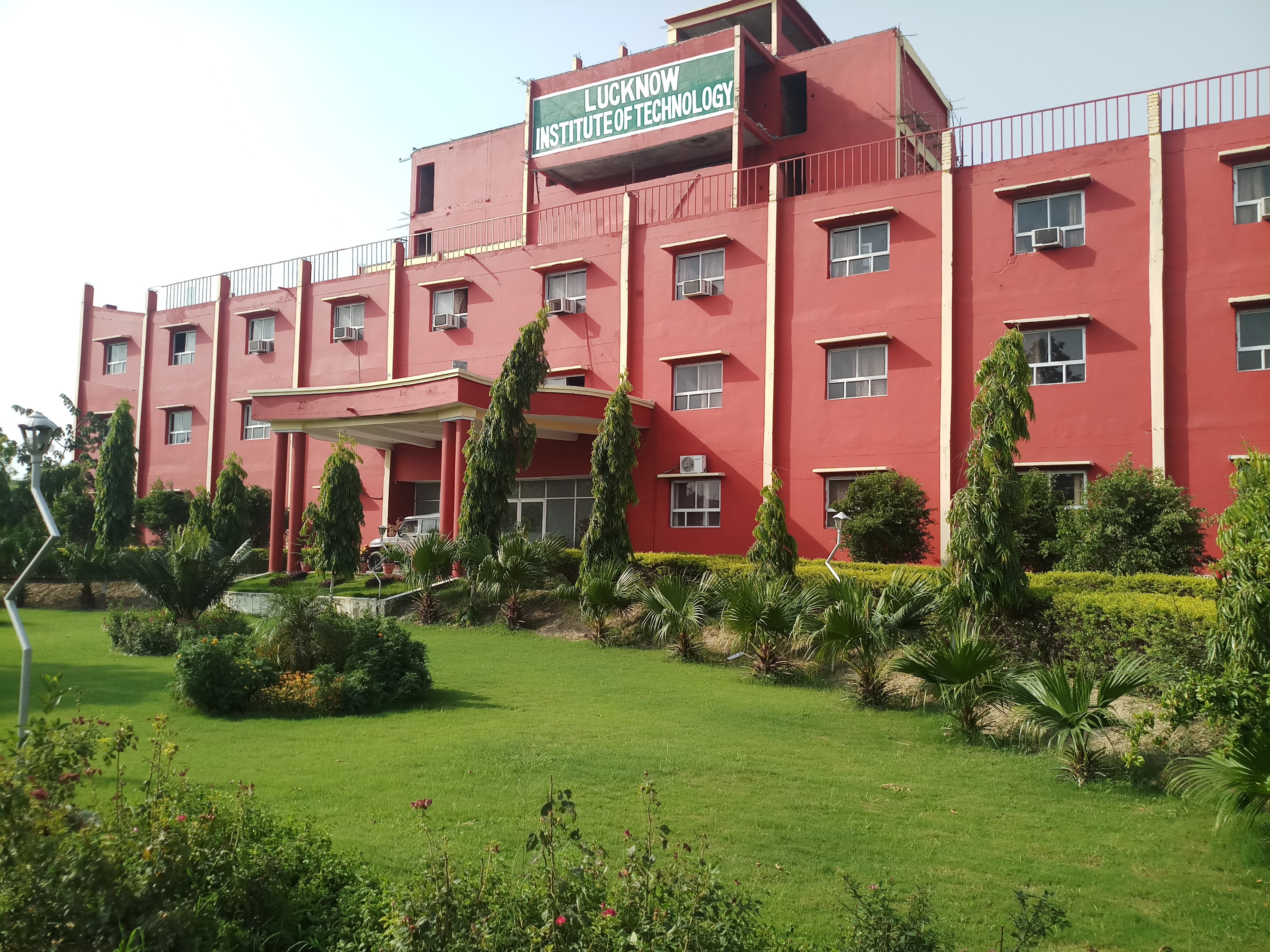
About Department
The Working Professional Diploma in Mechanical Engineering (Production) – Lateral Entry program is designed for industry professionals who wish to enhance their technical expertise and advance their careers without interrupting their work schedules.
This department focuses on building strong fundamentals in production engineering while integrating real-world industrial experience with academic learning. Learners are exposed to modern manufacturing practices, quality systems, automation, production planning, maintenance, and process optimization.
The program supports working individuals by offering flexible learning opportunities, practical-oriented sessions, and exposure to current industry standards. With experienced faculty, well-equipped mechanical and production labs, and industry-linked training modules, the department ensures professionals upgrade their skills to meet today’s industrial demands.
Vision of the Department
To empower working professionals with advanced skills in mechanical and production engineering, enabling them to contribute to efficient, sustainable, and technology-driven industrial growth.
Mission of the Department
To provide industry-relevant, flexible, and high-quality engineering education tailored for working professionals.
To strengthen learners’ technical skills through hands-on training, real-world problem-solving, and modern industrial tools.
To promote professional growth by integrating workplace experience with academic advancement.
To develop ethical, skilled, and productive engineering professionals who can contribute effectively to industrial development.
Program Educational Objectives (PEOs)
Equip learners with strong technical knowledge in mechanical and production engineering.
Enable working professionals to apply engineering principles to improve industrial processes and productivity.
Enhance analytical, managerial, and problem-solving abilities for career advancement.
Encourage continuous learning, professional ethics, and adaptability to emerging industrial technologies.
Program Outcomes (POs)
After completing the program, graduates will be able to:
Apply engineering fundamentals to solve mechanical and production-related problems.
Use modern tools, machines, and technologies for manufacturing and industrial operations.
Demonstrate effective communication, teamwork, and leadership skills in workplace settings.
Analyze, plan, and optimize production processes to improve efficiency and quality.
Understand professional responsibilities, safety standards, and ethical practices.
Engage in lifelong learning and adapt to new industrial technologies and trends.
Lab
Real-World Industrial Excellence
The CSE Department empowers students through hands-on learning, real-world exposure, and modern technological resources. From coding essentials to advanced systems management, students gain the skills needed to thrive in today’s digital-first world. With expert faculty, fully equipped laboratories, and a career-focused environment, the department ensures students graduate as confident, capable, and industry-ready professionals.
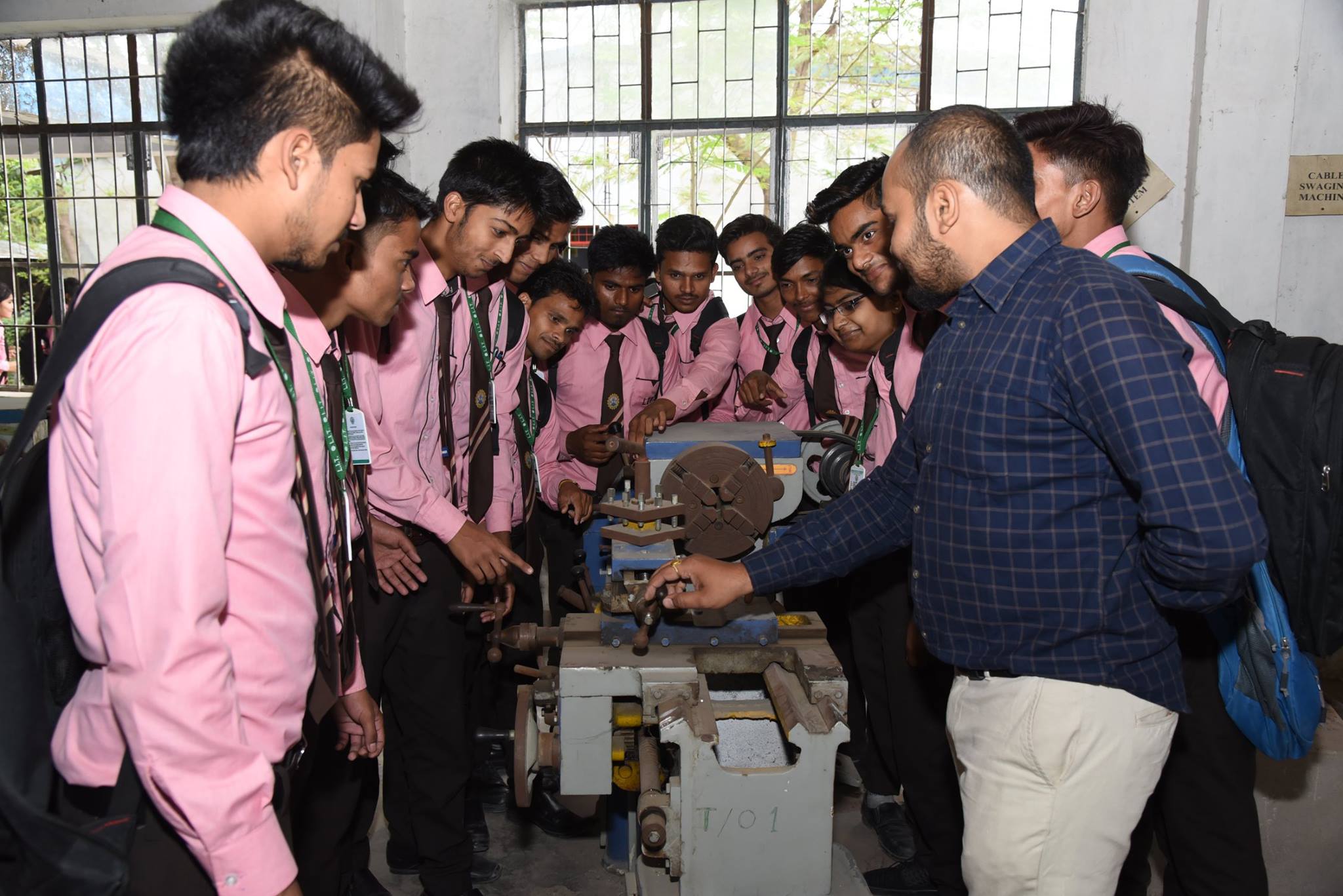
Advanced Production Training Labs
State-of-the-art mechanical and production labs allow learners to practice machining, manufacturing processes, CAD/CAM tools, and automation techniques that directly support industrial upskilling.
Industry-Integrated Learning
The curriculum is aligned with industry needs, blending practical assignments, workplace-based learning, and expert-led sessions to strengthen real-world problem-solving and process optimization skills.
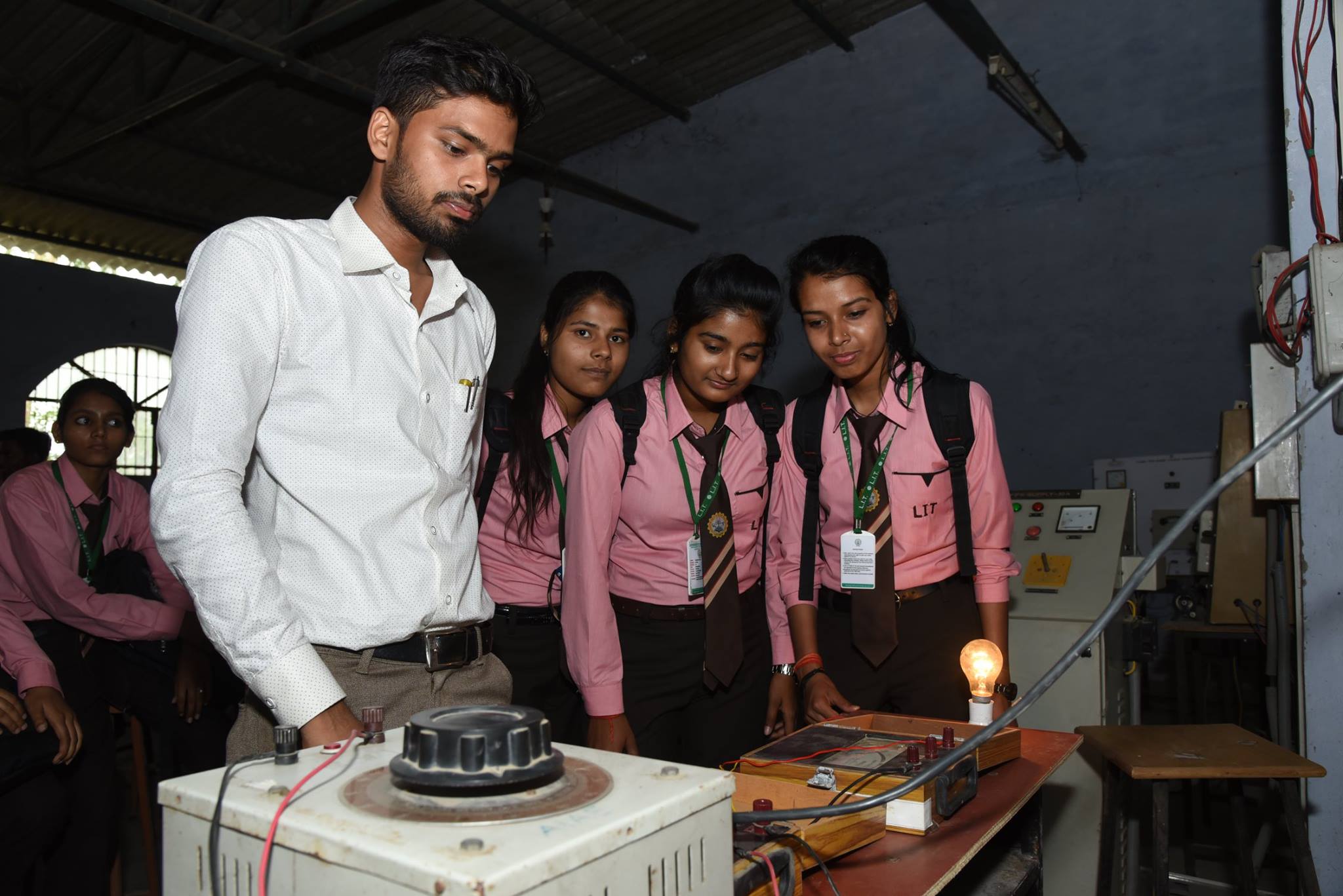
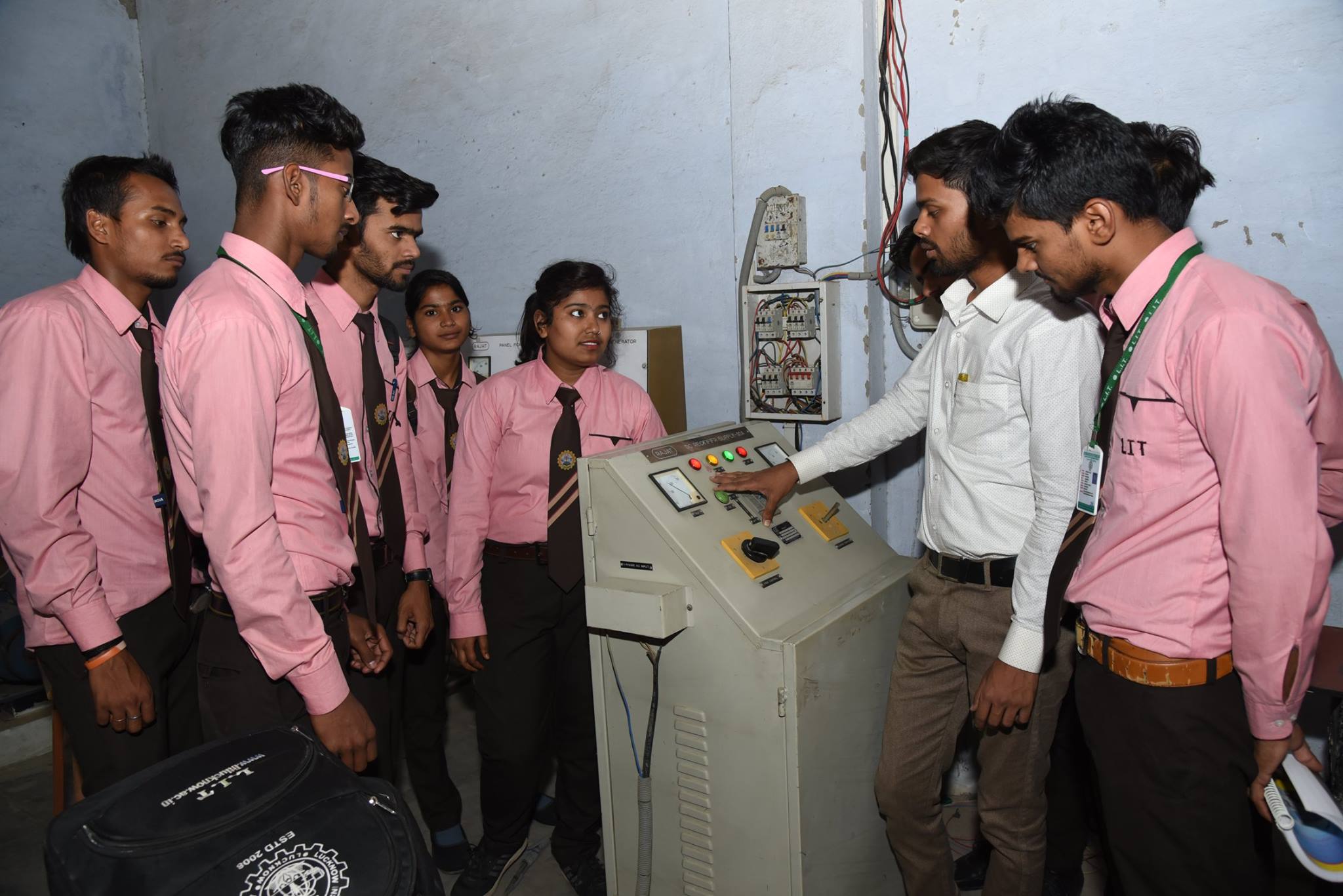
Flexible Learning for Working Professionals
Specially designed schedules, personalized academic support, and blended learning models help working professionals balance job responsibilities while progressing in their engineering education.
FAQs
Got Questions?
Everything you need to know before you grab your board and hit the waves.
What is the admission process?
How are the placement opportunities at the college?
Does the campus provide training and skill development for placements?
Are scholarships available for students?
Does the college provide hostel and mess facilities?
Is transportation available for students?