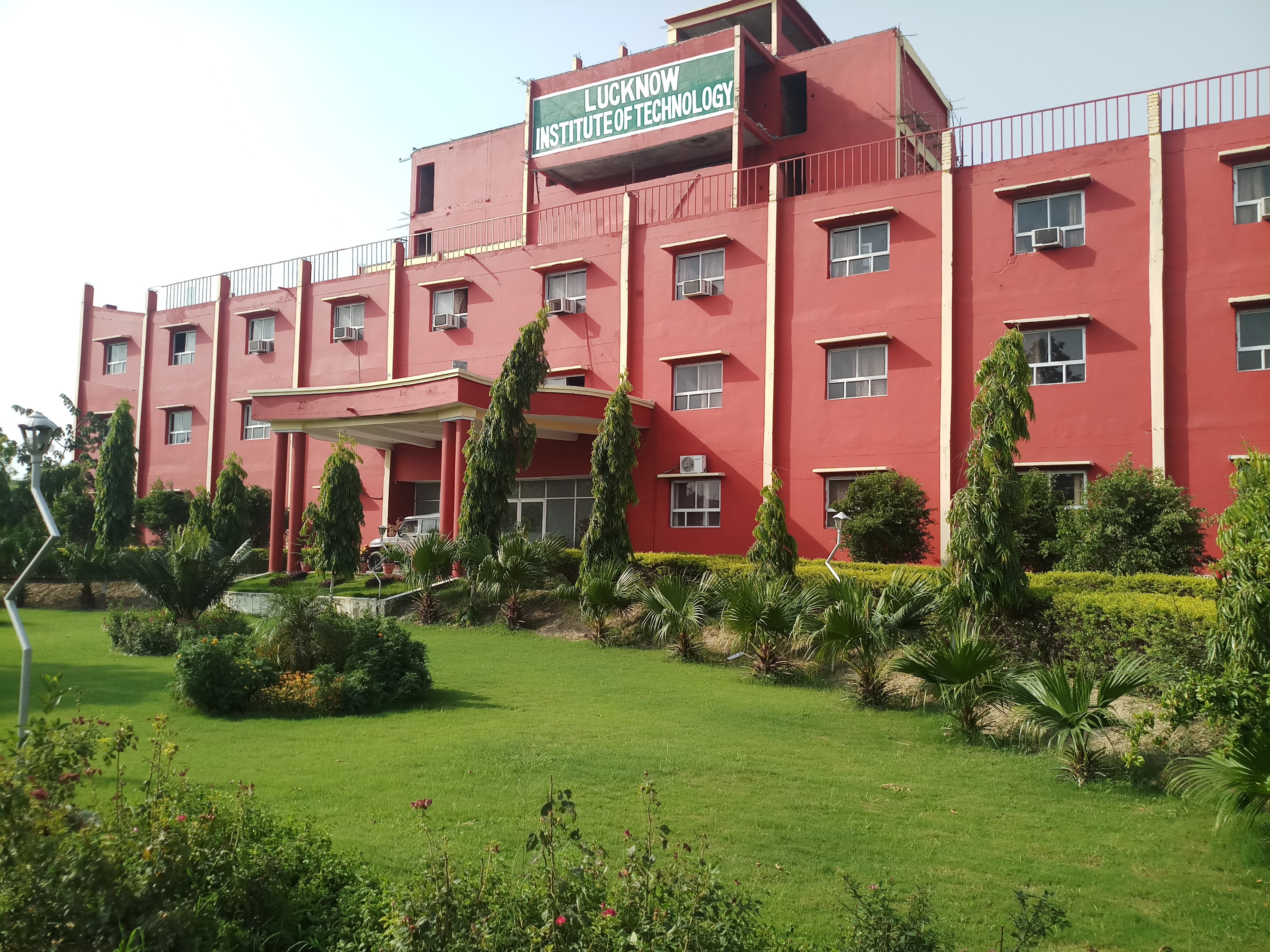
About Department
The Department of Logistics & Supply Chain Management at LIT focuses on developing professionals who can manage the flow of goods, information, and services in today’s global markets. Students learn modern supply chain strategies, warehouse operations, procurement management, transportation systems, demand forecasting, and technology-driven logistics solutions.
Through expert-led sessions, practical case studies, and experiential learning, the department prepares students for careers in ecommerce, manufacturing, retail, logistics companies, shipping industries, and global supply chain operations.
Vision of the Department
To become a center of excellence in Logistics & Supply Chain education by producing industry-ready professionals with strong analytical, managerial, and technological skills to transform global supply networks.
Mission of the Department
To offer a curriculum aligned with modern logistics practices and digital supply chain innovations.
To provide hands-on training through industry projects, case discussions, and expert interaction.
To build critical thinking, leadership, and problem-solving capabilities among students.
To promote ethical, sustainable, and technology-enabled supply chain solutions.
Program Educational Objectives (PEOs)
Equip students with strong foundational knowledge in logistics, procurement, transportation, warehouse management, and supply chain analytics.
Prepare graduates to work effectively in industries such as ecommerce, retail, manufacturing, shipping, and distribution.
Develop leadership, decision-making, and analytical skills to manage complex supply chain networks.
Encourage continuous learning, professional growth, and adaptability to global logistics trends.
Program Outcomes (POs)
Ability to understand and manage end-to-end supply chain operations.
Apply tools and analytical techniques to solve logistics and operational challenges.
Demonstrate effective communication, teamwork, and leadership in business environments.
Use technology and data-driven insights to improve supply chain performance.
Understand ethical and sustainable practices in logistics and global trade.
Adapt to emerging trends such as automation, AI-driven logistics, and digital supply chains.
Lab
Build Expertise in Logistics
Our program blends practical training, industry insights, and technology-driven learning to help students understand real supply chain operations. From procurement to delivery, students gain experience that prepares them for high-demand careers in logistics and global trade.
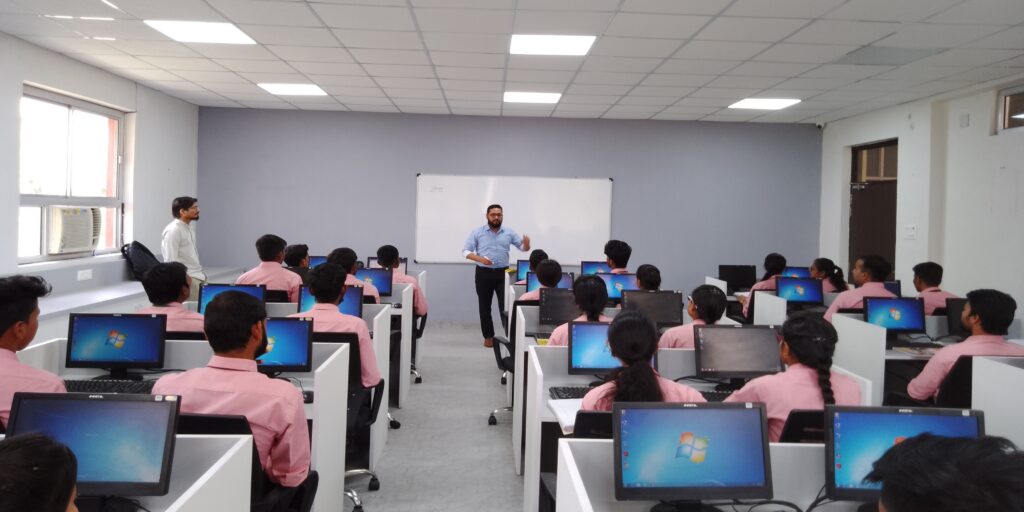
Hands-On Learning in Warehouse & Operations
Students explore real-time warehouse processes, inventory control methods, and logistics software to understand efficient operations management.
Learning from Supply Chain Experts
Industry leaders conduct interactive sessions on logistics strategy, procurement, transportation networks, and global market trends.
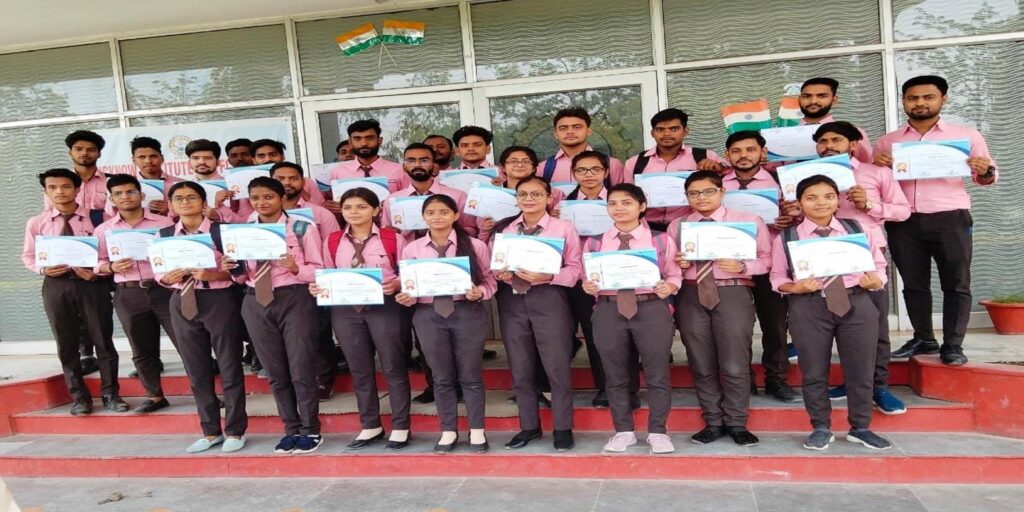
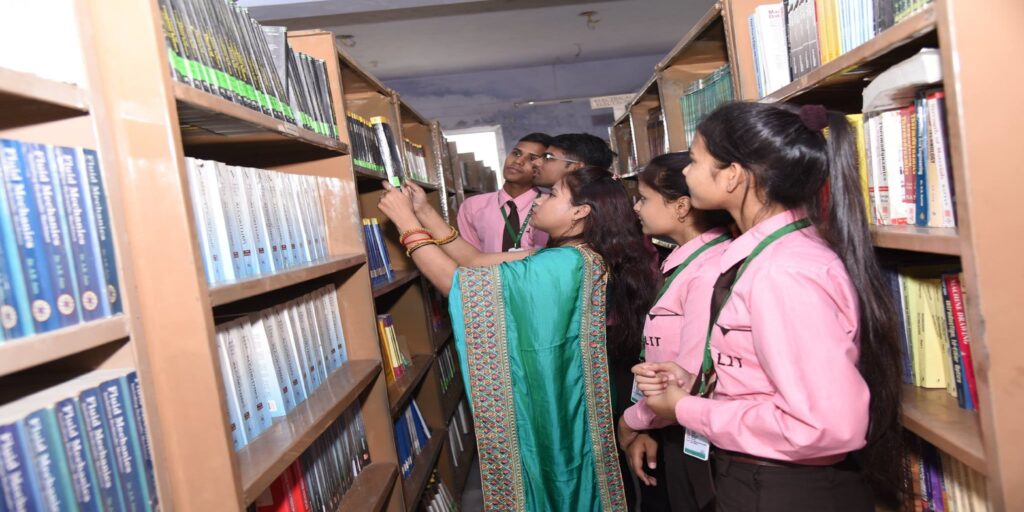
Technology-Driven Supply Chain Training
Students work with digital tools, data analytics, ERP systems, and automation techniques that shape the future of supply chain management.


FAQs
Got Questions?
Everything you need to know before you grab your board and hit the waves.
What is the admission process?
How are the placement opportunities at the college?
Does the campus provide training and skill development for placements?
Are scholarships available for students?
Does the college provide hostel and mess facilities?
Is transportation available for students?